As winter retreats, the anticipation of spring awakens a desire for vibrant landscapes. The transition from stark, bare branches to blooming flowers and lush greenery is nothing short of magical. This change not only revitalizes nature but also invites homeowners, businesses, and communities to engage in seasonal planting and landscape enhancements. Spring floral displays are an excellent way to add color and life to your outdoor spaces.
Creating beautiful spring displays involves thoughtful planning, creativity, and an understanding of local climate conditions. Each element contributes to an overall aesthetic that can uplift spirits and enhance curb appeal. While seasonal planting services can provide guidance, let's explore how you can bring your landscape to life this spring with engaging floral arrangements.
Understanding Seasonal Planting
Spring, often seen as a time of growth and renewal, offers the perfect opportunity for seasonal planting. Selecting the right plants involves considering your region's climate zone, soil type, and sunlight exposure. For instance, those in USDA hardiness zones 5 through 7 can experiment with tulips, daffodils, and hyacinths which thrive in these conditions.
In addition to aesthetics, it is essential to think about the ecological impact of your choices. Native plants not only support local wildlife but also tend to be more resilient against pests and diseases. Incorporating native flora into your spring floral displays helps create a sustainable environment while ensuring vibrant blooms.
Key Considerations for Plant Selection
When choosing plants for your spring display, keep these factors in mind:
Soil Quality: Testing soil pH can guide you in selecting compatible plants. Sunlight Exposure: Observe how much sun different areas of your garden receive throughout the day. Watering Needs: Consider drought-tolerant options if water conservation is a priority. Color Palette: Think about how various colors will complement each other within your landscape. Blooming Time: Select plants that will flower at different times for extended visual interest.By understanding these components, you can curate a diverse mix of blooms that will flourish together through the season.
Designing Your Floral Display
Creating visually appealing floral displays requires more than just choosing beautiful flowers; it involves strategic design principles that draw on color theory, texture contrast, and layout planning.
Layering Colors
One effective technique is layering colors—using varying shades to create depth and vibrancy within your garden beds or planters. For example, pairing bright yellows with rich purples offers a striking contrast that captures attention while maintaining harmony through complementary colors.
Additionally, consider the impact of textures in your display. Combining smooth petals with feathery foliage or coarse leaves creates a dynamic experience for viewers as they explore different elements within the landscape.
Height Variation
Changing plant heights adds dimension to your displays; taller plants like foxgloves or delphiniums can serve as focal points at the back or center of flower beds while shorter varieties like pansies or daisies work well at the front edges where they can be appreciated up close.
Think about using raised beds or tiered planting techniques that allow visibility from all angles—this approach makes it possible for passersby to appreciate every bloom regardless of their vantage point.
Seasonal Themes
Themed landscape displays can also elevate your floral arrangements by creating cohesive storytelling throughout your garden space. Whether inspired by holidays or natural elements like sunsets and oceanscapes, themes help guide plant selections while adding layers of meaning.
For instance, a whimsical fairy garden could incorporate pastel-colored blossoms alongside miniature figurines nestled among mossy patches—creating an enchanting experience for children and adults alike.
Choosing Spring Flowers
A successful spring display isn't complete without carefully selecting flowers known for their early blooms. Some popular choices include:
- Tulips: Available in nearly every color imaginable; tulips create stunning visual impact when planted in large groups. Daffodils: These cheerful yellow flowers signal warmth returning after winter; they are also deer-resistant. Hyacinths: Known for their fragrance as well as beauty; they add sensory delight to any garden. Pansies: Hardy enough to withstand cooler temperatures; these versatile flowers come in many colors. Creeping Phlox: A ground cover option that brings vibrant hues while preventing soil erosion.
These selections not only provide immediate visual interest but also set the stage for later blooming perennials that will take center stage as spring progresses into summer.
Maintenance Tips for Spring Displays
Once you've established your floral displays, ongoing maintenance ensures their vibrancy throughout the season. Regular watering is crucial during dry spells since newly planted seedlings require consistent moisture levels until they establish strong root systems.
Mulching around plants not only conserves moisture but also suppresses weed growth—a common issue during warmer months when competition becomes fierce between desired blooms and unwanted intruders. Organic mulch materials like shredded bark or straw break down over time; this provides nutrients back into the soil while promoting healthy growth among surrounding flora.
Regular deadheading—removing spent flowers—encourages continued blooming by redirecting energy toward new growth rather than seed production; this simple act keeps gardens looking fresh longer into late spring before transitioning toward summer seasonal landscaping tasks such as pruning overgrown shrubs or refreshing annuals with new varieties.
Integrating Other Seasonal Elements
While spring floral displays steal much of the spotlight during this vibrant season introducing other elements enhances overall landscape appeal significantly—even beyond mere aesthetics alone! Consider incorporating features such as decorative planters filled with herbs or edible flowers allowing dual functionality within ornamental spaces—turning gardens into places where beauty meets utility seamlessly!
Incorporating hardscape features like stone pathways lined with flowering shrubs creates visual interest while improving accessibility throughout larger outdoor areas without sacrificing charm along walkways leading guests through nature’s bounty effortlessly! Lighting installations add an enchanting touch after sunset transforming ordinary backyards into magical retreats ideal for evening gatherings under starry skies promoting relaxation amidst lush surroundings—all contributing positively towards creating welcoming atmospheres conducive towards enjoying time outdoors together!
Collaborative Projects
Engaging community members or local businesses fosters camaraderie while beautifying public spaces simultaneously! Consider organizing neighborhood events aimed at enhancing communal gardens through collaborative efforts encouraging everyone—from seasoned landscapers down through novice gardeners—to contribute ideas based upon personal expertise!
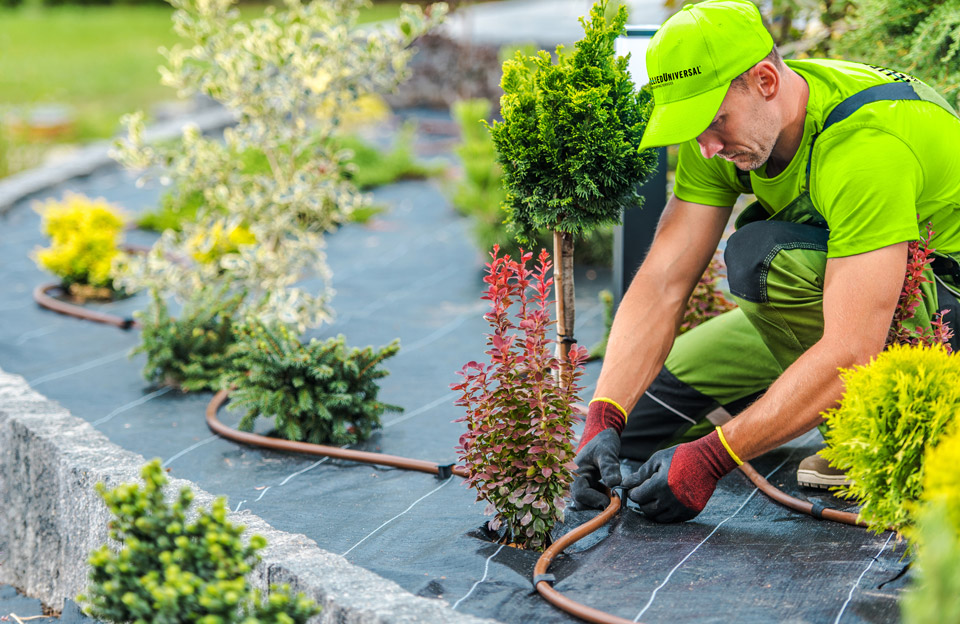
Corporate holiday decors may even choose specific themes centered around sustainability showcasing native planting services for all seasons plant species alongside seasonal colors reflecting social responsibility commitments inspiring employees who participate! Events such as tree plantings held during Earth Day promote environmental awareness leading towards long-lasting relationships built around shared goals benefiting everyone involved collectively!
Ultimately fostering connection amongst people through shared passions around gardening enriches lives transcending mere transactional exchanges turning ordinary landscapes into extraordinary reflections celebrating diversity both within nature itself & human interactions along pathways winding throughout our communities…
Conclusion
Spring floral displays serve as powerful reminders of renewal—the process transforms barren yards into breathtaking gardens bursting forth with life! Thoughtful planning combined with creative design leads towards flourishing landscapes capable enriching experiences enjoyed across seasons ahead extending beyond any single bloom witnessed year after year reminding us all why we cherish moments spent outdoors immersed amidst nature’s beauty…